
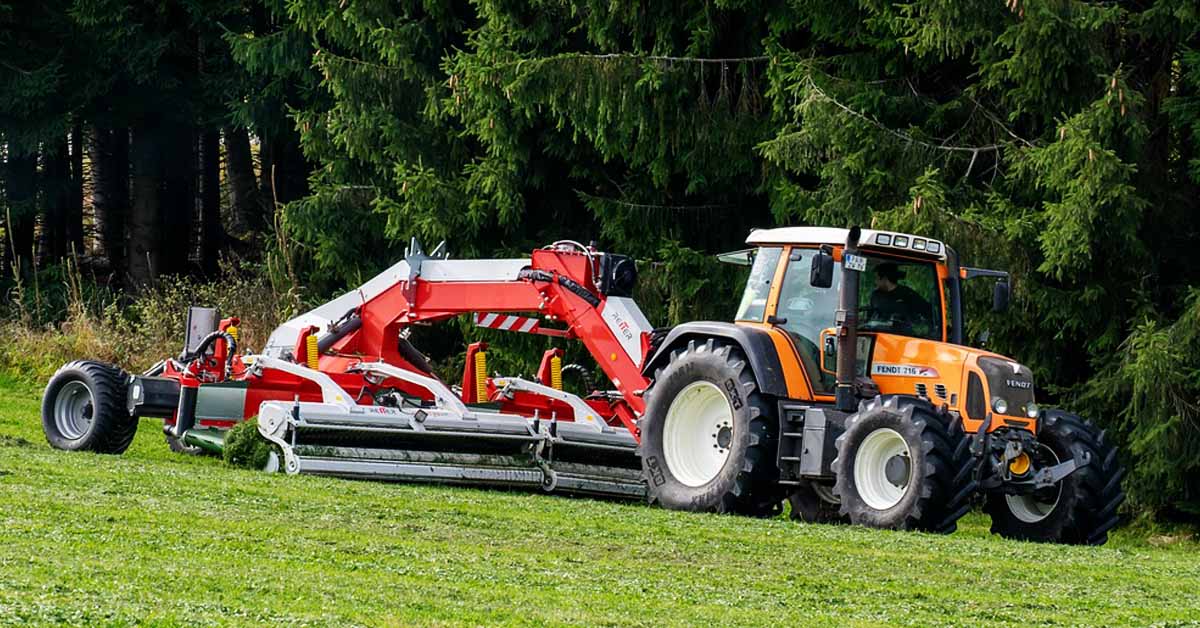
The John Deere 4500 is a compact utility tractor designed for small to mid-size farms and homesteads, offering a balance of power, maneuverability, and versatility.
Overview
The John Deere 4500 is a compact utility tractor in the 40-ish horsepower class designed for small to mid-size farms, homesteads, and landscape contractors.
It blends a practical task-focused layout with Deere’s reliability heritage, offering a balance of power, maneuverability, and versatility for mowing, loader work, tillage, and light baling.
It typically features a robust 2WD or optional 4WD chassis, a practical workspace, and compatibility with a range of front-end loaders and mid-mount implements.
Its modular design accommodates a variety of attachments, enabling year-round utility on mixed farming operations.
John Deere 4500 Specifications (typical, may vary by year/config)
-
Engine: 3- or 4-cylinder diesel engine in the high-30s to low-40s horsepower range, designed for torque and reliability in field and loader work.
-
Transmission: Options commonly include a 4WD chassis with either a gear-type or hydrostatic transmission, offering both torque and smooth speed control for loader and PTO-driven tasks.
-
PTO: Independent rear PTO with common speed settings (e.g., 540 RPM) and mid-PTO options available on certain configurations for mid-mount implements.
-
Hydraulics: Open-center or closed-center hydraulic system with multiple rear remote valves; sufficient lift capacity for light-to-moderate farming implements.
-
Rear lift capacity: Typically in the 2,000–2,500 lb range at 24 inches behind the lift point, depending on configuration and linkage.
-
Fuel capacity: Generally sized for several hours of field work, with an ample fuel tank for a workday, depending on engine and duty cycle.
-
Wheelbase and footprint: Compact footprint suitable for field rows and shop floor maneuverability; curb/toe-in geometry tuned for stability with a loader.
-
Weight: Heavier than pure garden tractors, but designed to remain maneuverable on smaller plots.
Jd 4500 Key features
-
Loader-ready design: Factory or dealer-installed front loaders with integral mounting points for quick attachment/detachment.
-
Optional 4WD: Improves traction in wet or uneven conditions and enhances loader performance.
-
Easy-access service points: Designed for straightforward daily checks and routine maintenance.
-
Ergonomic controls: Practical layout with intuitive throttle, clutch, and PTO control placement to reduce operator fatigue.
-
Hydraulics: Sufficient hydraulic flow for common implements such as backhoes, 72″ mowers, or medium-duty plows.
jd 4500 Tractor Engine details
-
A diesel engine tuned for reliability, economy, and durable torque across common operating speeds.
-
Rated horsepower typically in the high-30s to low-40s range, with peak torque aligned to assist loader and tillage tasks.
-
Common service intervals include regular oil and filter changes, fuel filter replacements, and coolant checks, with Deere-recommended practices.
John Deere 4500 Performance and usage
-
Mowing and finish-cutting: Equally capable with mid- or rear-mounted mower decks; stable platform for even cut patterns on varied terrain.
-
Loader work: Adequate breakout force for loading, moving material, and light construction tasks; precise control aids in delicate handling of materials.
-
Tillage and planting: Suited for small-scale plots with compatible implements such as tillers, harrows, and seeders designed for compact utility tractors.
-
Transportation: Capable for light transport on farms, with appropriate ballast and hitch configurations.
Pricing considerations
-
New price: In the compact utility range, prices vary by year, options, and regional market factors; a Deere 4500-equivalent model typically sits in the mid-range for compact utility tractors when new.
-
Used market: Values depend on age, hours, condition, and attachments; well-maintained units with a loader and implement package can command a premium relative to bare frames.
-
Total cost of ownership: Include maintenance, tires, fuel, insurance, and depreciation; factor in attachment investments for the intended tasks.
John Deere 4500 Maintenance schedule (typical)
-
Daily/Before-use checks: fluids, tires, hitch pins, PTO shield, and hydraulic connections.
-
Weekly: check hydraulic oil levels, top off coolant if needed, lubricate grease fittings on the loader and hinges.
-
Monthly: change engine oil and replace filter per manufacturer guidance; inspect belts and hoses; inspect electrical connections; service air filter as required.
-
Quarterly to semi-annual: rotate or replace fuel and air filters as needed; inspect transmission and hydraulic systems for leaks; service cooling system; check valve clearances if applicable.
-
Yearly: full service including coolant test, filter replacements, brakes (if applicable), and comprehensive inspection of the undercarriage, axles, and hitch assemblies.
John Deere 4500 Attachments (typical compatibility)
-
Front-end loaders: Various JD loaders or aftermarket units designed for quick-attach mounting.
-
Mowers: Mid-mount mower decks or rear-mounted units suited to the 4500’s power and deck width.
-
Backhoes: Light- to mid-range backhoes that suit a compact utility frame and load rating.
-
Tillers, harrows, pecans/edgers: Implements designed for small tractors that provide productive fieldwork with proper ballast and linkage.
-
Other: Box blades, scarifiers, seeders, spray booms, and snow blades or blowers for seasonal versatility.
Parts diagram and maintenance resources
-
A parts diagram typically shows the tractor’s major assemblies: engine, transmission, hydraulics, rear live PTO/independent PTO components, rear differential, drawbar, three-point hitch, and electrical system. The John Deere 4500 is essential for identifying replacement parts, understanding wear-prone areas, and planning maintenance or repairs.
-
John Deere 4500 official service manuals and operator manuals provide system-specific diagrams, torque values, service intervals, and troubleshooting steps.
Common problems and troubleshooting (typical issues)
-
Hard starting or rough idle: Could indicate fuel system air leaks, clogged filters, or glow plug/heater issues in applicable models.
-
Low hydraulic performance: Check hydraulic fluid level, filter condition, and potential leaks; verify valve and pump operation.
-
Transmission or gear-screeching noises: Inspect gear oil, linkage alignment, and external wear; consult service manual for adjustments.
-
Loader instability or chattering: Inspect loader mounting points, hydraulic lines, and valve settings; ensure correct ballast and tire pressure.
Parts diagrams and diagrams access
-
The John Deere 4500 Diagram access is typically available via official Deere parts catalogs or authorized dealers; provide model year and serial number to ensure precise diagram matches for ordering.
Conclusion
The John Deere 4500 embodies a practical blend of power, maneuverability, and versatility for farmers with smaller plots or diversified tasks.
With careful maintenance, appropriate attachments, and mindful operation, the John Deere 4500 can be a dependable workhorse for mowing, loader duties, tillage, and light construction tasks across seasons.
For precise specifications, price, and current availability, consult an authorized Deere dealer with your exact machine year, serial number, and regional market to ensure figures align with your configuration.





Leave A Comment