
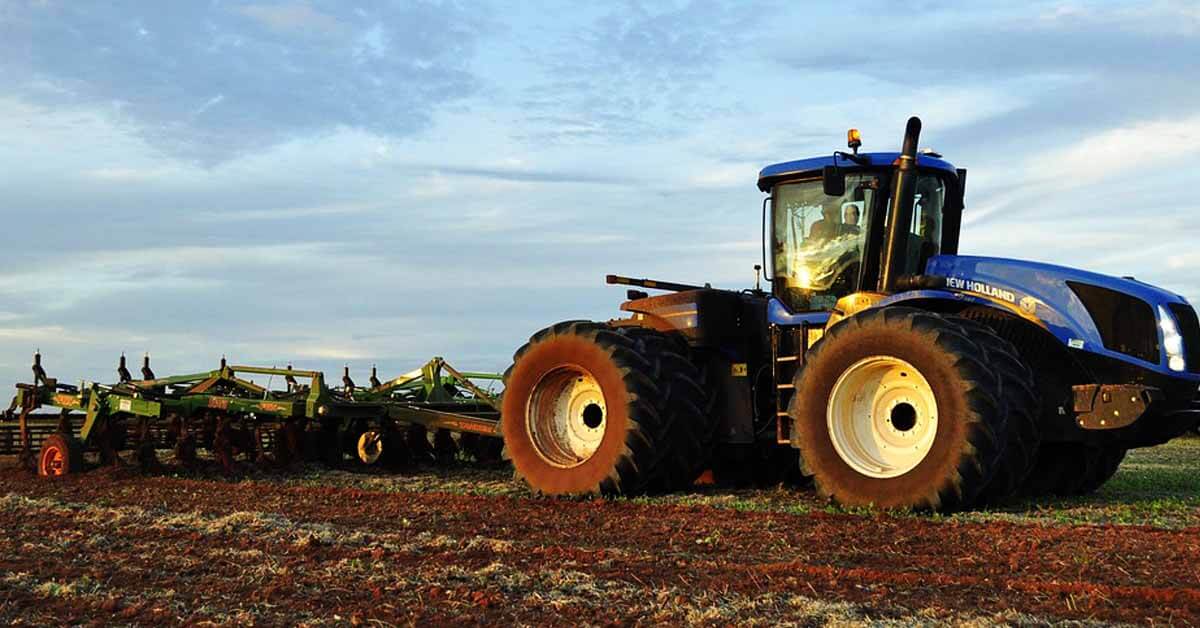
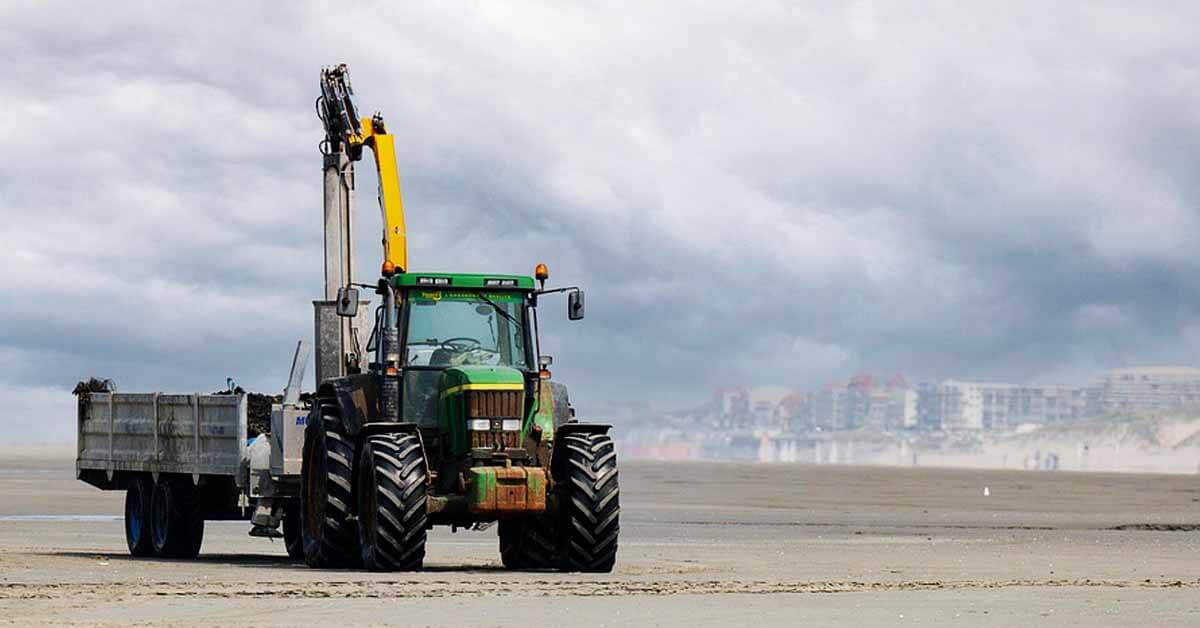
The John Deere 6115D is a versatile 4.5-liter, four-cylinder utility/row-crop tractor in the 100–120 HP range (engine horsepower) with options for 4WD, Cab or open station, and multiple transmission choices.
Overview
The John Deere 6115D is a compact-to-mid-size utility/row-crop tractor designed for versatility on mixed farming operations, livestock farms, and commercial applications.
It balances robust power with user-friendly controls, fuel efficiency, and reliability, making the John Deere 6115D suitable for tasks like tillage, planting, loader work, and front-mounted implement use.
The John Deere 6115D design emphasizes accessibility under the hood for maintenance, good weight distribution for traction, and a comfortable operator station for longer workdays.
Jd 6115d Specs
-
Engine: 4.5-liter four-cylinder diesel (PowerTech family). Turbocharged and intercooler options on some configurations, with HP in the low-mid range depending on market and model year.
-
Transmission: Options commonly include a PowrReverser or synchronized gear transmission, with multiple forward/reverse speeds and, in some variants, creeper ratios for low-speed operations.
-
PTO: Independent 540/1000 RPM selectable, with standard or optional mechanical/dedicated PTO configurations depending on market.
-
Hydraulics: Open-center hydraulic system with a rated flow suitable for common implements; auxiliary hydraulic circuits available for loaders or mid-mmount equipment.
-
Drive: 4WD with differential lock commonly available; 2WD versions exist for lighter-duty needs.
-
Hitch: 3-point hitch with substantial lift capacity suitable for medium implements and attachments.
-
PTO power: Typically in the 70–80 kW range (roughly 95–105 HP equivalent PTO) depending on rating and configuration.
-
Weight and dimensions: Mid-size frame with a balance between traction and maneuverability; wheelbase and weight distribution optimized for field tasks and highway stability.
-
Cab/Operator Station: Options for open station or enclosed cab, with ergonomic layout, good visibility, and climate control on cab models.
John Deere 6115D Engine Details
-
Displacement: 4.5 liters (approximately 276 cubic inches).
-
Configuration: 4-cylinder diesel, turbocharged and intercooler (in many regional specs).
-
Fuel System: High-pressure common-rail electronic injection (HPCR or equivalent) delivering precise timing and control for fuel delivery.
-
Emissions: Engine families commonly designed to meet interim Tier 4 or equivalent regulations depending on market and year.
-
Rated Speed: Typical rated engine speed around 2100–2200 RPM, with maximum horsepower achieved around or near rated speed.
-
Power Output: Engine horsepower generally in the 105–117 HP range, with PTO horsepower slightly lower due to parasitic losses.
John Deere 6115D Performance and Usage
-
Loader and LCF: Responsive hydraulic system and loader readiness for material handling, bale handling, and loading tasks.
-
Tillage/Seeding: Sufficient traction and power for light to medium tillage, bed forming, and planter work when paired with suitable implements.
-
Ground Clearance and Stability: Designed for row-crop work with good ground clearance and stable handling under load.
-
Fuel Efficiency: HPCR-type injection and efficient engine mapping contribute to competitive fuel economy across operations with varying RPM.
-
Versatility: Suitable for combination tasks—farming, landscaping, and light commercial use—due to multiple hydraulic outlets and implement compatibility.
Jd Deere 6115d Price
-
Prices vary widely by region, year, cab vs open-station configuration, 2WD vs 4WD, and included options (loader, hydraulic remotes, warranties).
-
In market reports from earlier years, similar mid-range 6D-series tractors carried prices in the mid-to-high five-figure USD range when new, with depreciation over time. Exact current pricing should be obtained from local John Deere dealers or reputable marketplaces.
John Deere 6115D Common Problems and Troubleshooting
-
Hydraulics: Low flow or intermittent pressure issues can stem from clogged filters, worn seals, or pump wear. Regular filtering and proper hydraulic fluid maintenance are key.
-
Cooling/Overheating: Check radiator cleanliness, fan operation, and thermostat; ensure cooling passages are clear in high-load field conditions.
-
Electrical: Sensor or wiring faults can trigger intermittent gauge or control issues; calibrations or harness checks may be needed.
-
Transmission: If selecting a PowrReverser or partial-shift option, clutch engagement or synchronized shifting issues may arise if service intervals are neglected or fluid levels are off.
-
Fuel/System: HPCR systems depend on clean fuel and air; clogged air filters or contaminated fuel can reduce performance and efficiency.
-
General wear: Regular wear parts such as belts, hoses, and fatigue in linkage should be inspected during maintenance to prevent downtime.
Maintenance Schedule (typical)
-
Daily checks: Coolant level, oil level, hydraulic fluid level, tire pressure, and visible leaks; inspect for loose bolts or worn implements.
-
Weekly checks: Air filter inspection, fuel filter inspection, battery terminals, and electrical connections.
-
Monthly checks: Lubrication of grease points (implement PTOs, hitch pins, rockers, and steering linkage); inspection of belts and hoses; rotors and fans for debris clearance.
-
Quarterly/600-hour service (or as recommended by the dealer): Change engine oil and filter, replace hydraulic filters, inspect hydraulic system pressure, check transmission oil (level and condition), inspect cooling system, and perform a comprehensive inspection of brakes, steering, and PTO system.
-
Annually: Full system diagnostic, radiator and cooling passages cleaning, and any software/ECU updates as applicable.
Attachments and Implement Compatibility
-
Front-end loaders: Common on utility tractors; hydraulic flow and weight capacity matched to loader model; check mounting kit compatibility.
-
Backhoes: Availability varies by configuration; ensure hydraulic flow and hydraulic circuit compatibility; skid and turn radius considerations apply.
-
Mowers, rotary cutters, and finishing implements: Compatible with standard 3-point hitch and PTO, with appropriate hydraulic or control adaptations.
-
Bale spears, pallet forks, and material handling: Often supported via 3-point hitch and rear hydraulic circuits.
-
Seeders and planters: Compatible with mid-mount or rear implements where appropriate; verify PTO speed and hydraulic requirements.
-
Front implements: If equipped with a front PTO or integrated hydraulic system, verify load compatibility and balance.
John Deere 6115D Maintenance Tips
-
Use recommended engine oil and hydraulic fluids; adhere to OEM viscosity and specification guidance.
-
Replace filters per schedule; use OEM or approved equivalents to ensure compatibility with the HPCR fuel system and hydraulic components.
-
Keep cooling system free of debris; inspect and clean radiator and condenser surfaces as needed.
-
Regularly inspect tire condition and ballast to maintain traction and stability on varied terrains.
-
Schedule periodic software/ECU updates when available to improve performance and efficiency.
John Deere 6115D Usage Scenarios
-
Mixed farms: Field tasks, loader work, and small-scale hay or straw handling with appropriate attachments.
-
Contracting: Versatile tractor suitable for rental or service work, including mowing, tillage, and light excavation with compatible implements.
-
Orchard or vineyard operations: Narrow-track configuration or 2WD/4WD options depending on row spacing and ground conditions.
Conclusion
The John Deere 6115D embodies the balance between power, versatility, and reliability expected from a mid-range utility tractor.
With a capable 4.5L engine, adaptable transmissions, and broad implement compatibility, the John Deere 6115D serves a wide range of agricultural and light commercial tasks.
For precise current specifications, pricing, and available configurations, consult an authorized John Deere dealer and request the latest official product sheets and warranty terms.





Leave A Comment