
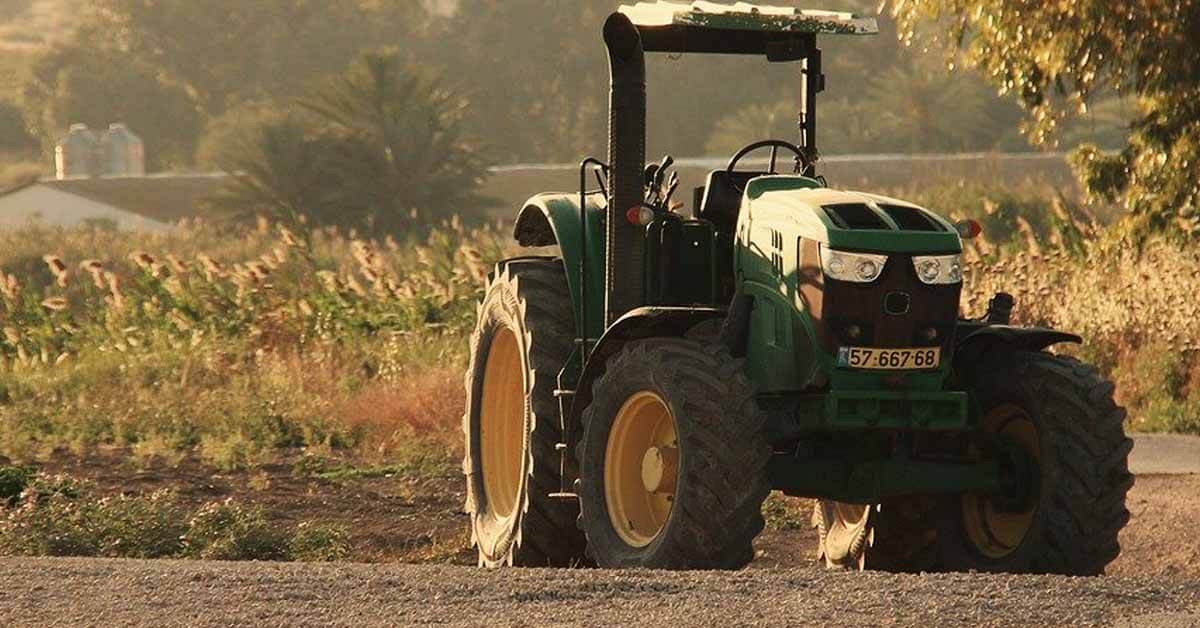
The John Deere 3020 stands as a pivotal model in Deere’s lineup, celebrated for its balance of power, reliability, and historical significance.
Here’s a comprehensive article-style overview of the John Deere 3020 tractor, designed to inform enthusiasts, buyers, and restorers.
Overview
The John Deere 3020 is a classic row-crop tractor from Deere’s New Generation series, produced from 1964 to 1972.
It was designed as a mid‑size, versatile workhorse intended for a wide range of farming tasks, from plowing and planting to tillage and light haulage.
The John Deere 3020 helped bridge the gap between smaller utility tractors and larger row-crop machines, offering more power and a refined operator experience for its era.
Its lineage and design influenced Deere’s subsequent “30” and “40” series models, and many John Deere 3020s remain popular in renovation and agricultural heritage communities. (Model lineage and production span are commonly cited in tractor reference resources.)
John Deere 3020 Specs
-
Engine options
-
Gasoline: 3.7 L (approximately 241 cu in) four‑cylinder gasoline engine
-
Diesel: 4.4 L (approximately 270 cu in) four‑cylinder diesel engine
-
LP gas: 3.7 L four‑cylinder LP gas engine
-
-
Power and performance
-
Approximately 71 horsepower at the crank, depending on engine choice and condition
-
Rated at around 2500 RPM for the engine, with variations by model year and option
-
-
Transmission
-
Synchro Range (the standard transmission) with multiple forward speeds and reverse speeds
-
Optional Power Shift transmission in some configurations, offering easier gear changes under load
-
-
Dimensions and weight
-
Wheelbase roughly 90 inches (about 7.5 feet)
-
Operating weight typically in the 7,700–7,945 lb range; ballast-adjusted weights (with a full ballast) can approach around 9,500–9,600 lb
-
Overall length around 138–139 inches; width around 89–90 inches; height around 66 inches
-
-
Hydraulics and implement compatibility
-
Early hydraulic systems with adequate lift capacity for common mid‑century implements
-
PTO options varied by model year and configuration
-
-
Tires and category
-
Offered in multiple tread configurations (standard, narrow front Row Crop, wide front, etc.) to suit different farming tasks
-
Key features
-
Robust construction: Heavy, durable drivetrain and steel components designed for long life in field conditions.
-
Maneuverability for its class: A wheelbase and weight balance that provided reasonable turning radius and stability for row-crop work.
-
Versatile powertrain options: Availability of gasoline, diesel, and LP gas engines offered flexibility for regions with different fuel ecosystems.
-
Simple, serviceable design: Mechanisms and components were designed to be repairable with available tooling and parts of the era.
-
Transmission flexibility: The combination of Synchro Range and optional Power Shift allowed operators to tailor gear control to field conditions.
John Deere 3020 Price
Original price when new in the 1960s varied by configuration and regional market; today, market prices for a running, well-maintained John Deere 3020 can range widely depending on condition, completeness (cab, loader, hydraulics), provenance, and region.
In classic tractor markets and auctions, well-maintained examples with good documentation can command several thousand dollars, while project units may be substantially less.
Availability is regional, and prices can be influenced by restoration desirability and historical significance.
Common problems (typical for aging vintage tractors)
-
Electrical issues: Wiring insulation aging, regulator and charging system wear, and starter/alternator faults.
-
Cooling and fuel systems: Radiator core corrosion, cooling fan wear, and fuel system varnish or injector wear in diesel variants.
-
Hydraulic wear: Leaks or weak lift capacity due to aging seals and hoses.
-
Transmission and clutch wear: Gear wear, synchronizer hesitation, or clutch slippage in older units with accumulated hours.
-
Pneumatics/tires: Weathered tires, cracked sidewalls, and tube/valve stem issues on older wheel assemblies.
-
General wear: Loose fasteners, worn linkages, and degradation of paint and sheet metal from rust and use.
Maintenance best practices
-
Regular inspections: Inspect cooling system, hydraulic hoses, belts, electrical wiring, and PTO/driveline components on a routine basis.
-
Fluid care: Change engine oil and filters at recommended intervals; monitor hydraulic oil quality and level; check coolant concentration and replace as needed.
-
Fuel and air systems: For gasoline or LP variants, keep fuel clean; for diesel, monitorInjector cleanliness and fuel filters; replace air filters as required.
-
Electrical upkeep: Inspect battery condition, clean terminals, and ensure charging system is within specification.
-
Preventive rust control: Treat exposed metal surfaces with appropriate coatings; store tractor in dry conditions when not in use.
-
Belts, brakes, and controls: Periodically adjust and adjust linkages, replace worn belts, and service brakes to maintain safe operation.
Common use cases
-
Restoration projects for enthusiasts seeking to preserve Deere history.
-
Demonstration or education on vintage farming equipment and agricultural technology evolution.
-
Light-to-moderate farming tasks on small, heritage-focused plots where authentic vintage operation is valued.
Attachments and compatibility
-
Common implements and attachments
-
Plows, cultivators, planters, seeders, harrows, and cultivator sets suited to row-crop configurations
-
Front-mounted or rear-mounted loaders were available as optional equipment for material handling
-
Ballast weights, drawbars, three-point hitch attachments, and hydraulic top links were typical retrofit options
-
-
Loader suitability: Some examples of loaders designed for the era could be adapted, but availability depends on the tractor’s hydraulics and mounting brackets.
-
Implement compatibility: The John Deere 3020’s PTO, hydraulics, and three-point hitch setup supported a range of implements typical for mid‑20th-century farming tasks.
Troubleshooting quick checks
-
If the tractor won’t start: check battery, ignition system (gas variants), or glow plugs/starting system (diesel variants), and verify fuel delivery.
-
If there’s poor hydraulics: inspect for leaks, verify hydraulic oil level and cleanliness, and check pump operation.
-
If overheating: ensure radiator is clean and coolant level is adequate; inspect water pump and thermostat for proper operation.
-
If gear shifting is stiff: check linkage alignment, clutch condition, and transmission oil level/quality.
Maintenance schedule (typical guidance)
-
Daily/short-term tasks: Visual inspection, fluid top-offs, belt and hose checks, air filter inspection.
-
Weekly/biweekly tasks: Lubricate grease points, check tire pressures, inspect PTO and hitch linkage.
-
Monthly/quarterly tasks: Change engine oil and filter if mileage thresholds are met; inspect hydraulic oil, coolant, and fuel filters; verify electrical connections and battery health.
-
Annual tasks: Comprehensive inspection of the transmission, hydraulic system, cooling system, and overall structural integrity; check for rust and repaint as needed.
Conclusion
The John Deere 3020 is a historically significant, capable mid‑size tractor from Deere’s New Generation line, well-regarded for its balance of power, simplicity, and farm-ready versatility.
It remains a favorite among collectors, restorers, and instructors teaching vintage agricultural machinery.
When evaluating a john deere 3020, prioritize engine condition (gas/diesel/LP options), transmission health, hydraulic performance, and the presence of authentic components and documentation.
A properly maintained example can deliver dependable service for light-to-moderate tasks on smaller operations or educational demonstrations, while restoration projects may appeal to enthusiasts seeking vintage Deere provenance.





Leave A Comment