

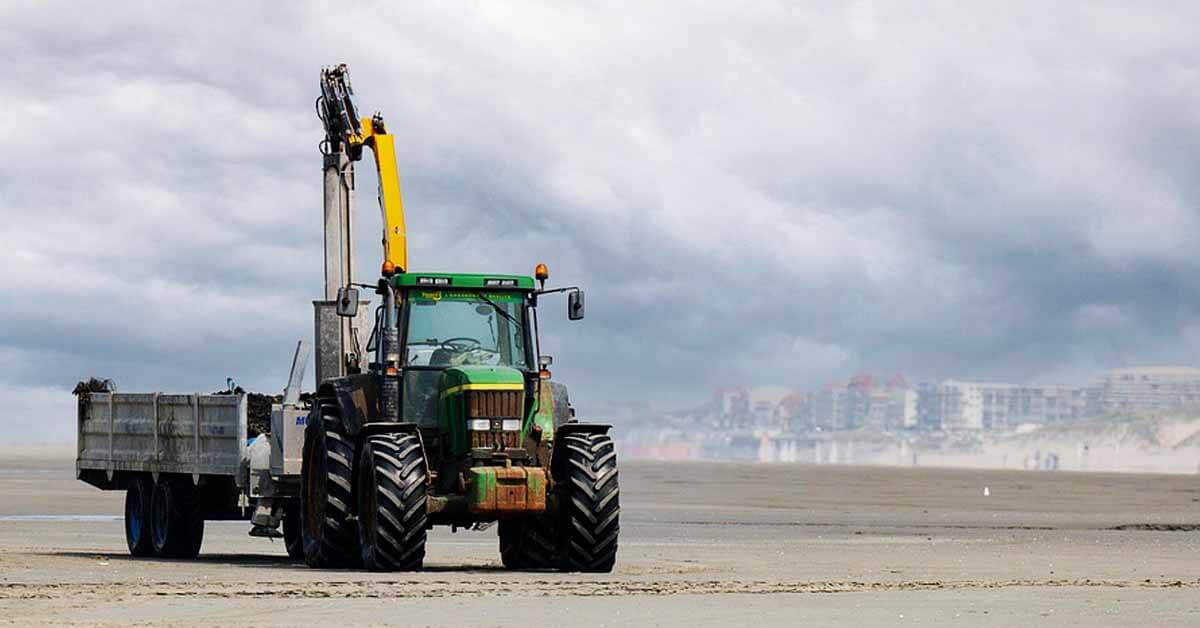
The John Deere 4350 is a classic late-1980s to early-1990s row-crop tractor known for solid power, reliability, and a solid feature set for its era.
Below is a structured guide covering this machine.
Note: use region-specific sources for precise numbers if publishing in a particular market.
Overview
The John Deere 4350 is a four-wheel-drive row-crop tractor built by John Deere from roughly 1985 through 1993.
It balanced high horsepower with a capable hydraulic system and a user-friendly transmission, making it suitable for heavy field tasks, towing, and tasks requiring consistent pulling power.
It’s commonly used in row-crop farming, hay operations, and light heavy-duty tasks on mid-sized farms.
Specifications
-
Engine: John Deere turbocharged diesel, 6-cylinders, liquid-cooled, displacement around 7.6 liters (466 cubic inches), rated power around 138 horsepower peak, with torque in the 440+ lb-ft range at mid RPM.
-
Transmission: Quad-Range with 16 forward and 6 reverse speeds, featuring four ranges (A–D) with partial power shift between certain gear pairs and synchronized shifts in some gears.
-
Drive: 4×4 MFWD (mechanical four-wheel drive) configuration for traction in field and road conditions.
-
Hydraulics: closed-center hydraulic system with substantial flow (typically around 25 GPM), enabling strong lift capacity and responsive implement operation.
-
PTO: Independent rear PTO, with dual-point hitch standards for attaching implements.
-
Brakes: Wet disc brakes for reliable stopping and long life under heavy use.
-
Cab/comfort: Many units were equipped with a comfortable cab (often SG2 or similar) with air conditioning and reasonable operator ergonomics for the era.
John deere 4350 tractor Key features
-
High torque and robust mid-range power suitable for heavy implements like cultivators, planters, and harvesters.
-
Four-wheel-drive layout provides consistent traction in soft soils or on slopes.
-
Quad-Range transmission offers a wide speed band and convenient gear selection for field tasks.
-
Solid hydraulic capacity supports a variety of rear-mounted equipment and front-end loaders (where applicable).
-
Mechanical or hydraulic hitch options with reliable lift capacity for implements.
-
Durable construction designed to endure farm conditions and frequent use.
Engine details
The John Deere 4350’s engine is a turbocharged six-cylinder diesel with a large displacement (around 7.6 L), delivering about 138 horsepower peak.
Torque is substantial, typically around 440–450 lb-ft at mid-range RPMs (commonly near 1400 RPM for peak torque).
The engine is air- and fuel-system optimized for robust performance in field conditions and uses a liquid cooling system to manage heat during heavy operation.
Performance and usage
Real-world performance depends on condition, maintenance, and implement load.
With proper care, the John Deere 4350 provides strong pulling power for offset disc harrows, planters, drills, and other common mid-to-heavy-duty implements.
Its hydraulic system supports dynamic lift and implement control, while the drivetrain offers reliable power transmission across a range of speeds.
Maintenance of the cooling system, fuel system, and hydraulic filtration is critical to maintaining consistent performance.
John Deere 4350 Price
As a vintage model, pricing varies widely by region, condition, and whether the tractor is restored or in original working order.
In today’s market, well-maintained examples typically command premium pricing among collectors and farmers seeking a reliable, compact, powerful older tractor.
Availability is largely through specialty dealers, auctions, and private sales rather than new production.
Parts and manuals
Parts for the John Deere 4350 are typically available through legacy John Deere parts catalogs, aftermarket suppliers, and salvage yards.
Common consumables include filters, belts, hydraulic components, PTO parts, and standard wear items.
Official manuals (owner, service, and parts catalogs) are often found through John Deere’s legacy parts portal or authorized dealers and may require region-specific access.
Typical manuals cover daily operation, service procedures, adjustment specs, torque values, and hydraulic system diagrams, as well as wiring and diagnostic guidance for common fault codes.
Maintenance schedule
-
Recommended maintenance generally follows a routine similar to other John Deere six-cylinder diesels of the era:
-
Daily: check fluids (engine oil, coolant, hydraulic oil), inspect belts, hoses, and battery; ensure air intake is clean.
-
Every 100–250 hours: change engine oil and filter, check and replace fuel and air filters as needed, inspect hydraulic filters, and examine the cooling system.
-
Every 500–1000 hours: more thorough inspection of the hydraulic pump, steering components, and transmission, plus drain-and-fill of coolant and transmission/hydraulic fluids per manual guidelines.
-
Annually or before heavy-season use: comprehensive inspection of brakes, PTO, hitch, linkage, and tire condition; update or service electrical systems as needed.
-
-
Keeping a clear maintenance log helps prevent unexpected downtime and extends the tractor’s lifespan.
Maintenance and upgrades considerations
-
Many John Deere 4350s benefit from basic modernization like updated lighting, improved operator comfort seats, and upgraded implements with compatibility in mind.
-
If availability is tight for certain parts, aftermarket components or refurbished OEM parts can be viable alternatives while preserving performance.
Common problems and troubleshooting
-
Power and starting issues: check fuel system priming, fuel filters, glow plug/electrical start system (where applicable), and battery health.
-
Transmission or hydraulic sluggishness: inspect hydraulic fluid level and quality, replace filters, and confirm correct transmission oil type and spec; adjust linkages if gear changes are difficult.
-
Overheating: verify coolant level, radiator cleanliness, and thermostat function; inspect the cooling fan and ensure proper air flow around the engine.
-
Electrical faults: inspect wiring and connections for corrosion or wear; check fuses and relays; confirm proper grounding.
-
Wear-related issues: track wear on the PTO, hydraulic hoses, and implement mounting points; replace worn components to prevent further damage.
Conclusion
The John Deere 4350 remains a respected workhorse for mid-sized farming operations, delivering solid power, reliable four-wheel-drive performance, and a robust hydraulic and transmission package that supports a wide range of implements.
With thoughtful maintenance, access to parts, and regular servicing, the John Deere 4350 can remain a productive and economical choice for farmers who value proven dependability and a straightforward, easy-to-service platform.



Leave A Comment