

Overview
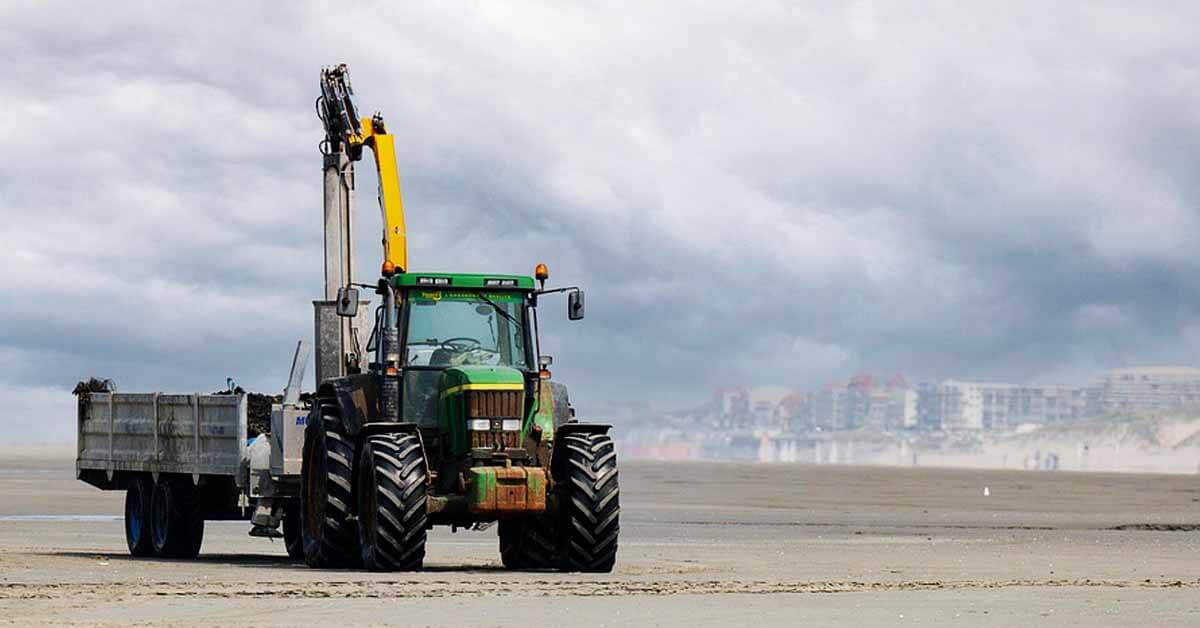
The John Deere 3150 is a compact utility tractor from the mid-1980s era, designed to balance practicality with reliable, straightforward operation.
It’s known for simple mechanicals, ease of maintenance, and a versatile platform suitable for small farms, hay work, loading, and light tillage.
Its rugged build and Deere engineering philosophy aimed at delivering dependable performance in everyday agricultural tasks while keeping operating costs reasonable.
John Deere 3150 Specifications
-
Engine: Typically a four-cylinder diesel engine with power in the vicinity of mid-80s drawbar horsepower and higher PTO output, tuned for reliable mid-range torque rather than peak speed.
-
Transmission: Available in multiple configurations, including manual and semi-synchro arrangements, with a focus on smooth gear changes and durable shift mechanisms for field work.
-
Hydraulics: Closed-center or open-center hydraulic system variants with a capacity suitable for common PTO-driven and hydraulic-attached implements.
-
PTO: Rear PTO with common speeds such as 540 RPM, and often a selectable range to suit implements.
-
Drive: Mechanical front-wheel drive available on some configurations, contributing to improved traction in challenging field conditions.
-
Weight and dimensions: Heavier than typical sub-compact models, with a wheelbase and weight distribution chosen to balance stability with maneuverability in a tractor of its class.
-
Tires and layout: Usually agricultural tires with open-station or operator-presence cab options, depending on the market and production year.
Note: Exact numbers vary by year and market; consult the specific serial-number-to-spec sheet for a given unit.
John Deere 3150 Key features
-
Simplicity and serviceability: Deere’s design emphasizes readily accessible components, straightforward maintenance, and widely available parts.
-
Versatile hitching: Rear three-point hitch and robust linkage enable a range of implements from cultivators to loaders and mowers.
-
Durability: Built to withstand daily farm tasks with components sized for reliable duty cycles and easy field servicing.
-
Operator ergonomics: Open-station or basic cab layouts aimed at good visibility and straightforward control placement.
John Deere 3150 Engine details
-
Type: Four-cylinder diesel, typically turbocharged in later iterations or naturally aspirated depending on regional specs.
-
Displacement and fuel system: Diesel injection system designed for robust torque at low to mid engine speeds, prioritizing lugging capability over high-end speed.
-
Power delivery: Engine tuned for practical field work, with emphasis on steady torque to sustain gear selections under load.
John Deere 3150 Performance and usage
-
Traction and power: Suitable for medium tillage, loader work, mowing, baling assistance, and hauling small to medium loads on a farmyard or small acreage.
-
Operating envelopes: Best used at moderate engine RPMs to balance fuel economy with adequate response for common implements.
-
Maintenance cadence: Regular oil changes, filter replacements, and hydraulic checks help maintain performance; standard Deere maintenance intervals apply.
-
Practical operating tips: Use appropriate ballast and proper hitch height to maximize stability; verify hydraulic and PTO integrity before using heavy implements; monitor cooling during hot days and heavy load operations.
Jd 3150 Price
Original MSRP varied by market and configuration; today, in used-tractor markets, prices depend on condition, hours, cab or open-station, tires, and included implements.
Expect a wide range from modest figures for projects or non-running units to higher values for well-kept, complete examples with useful implements.
John Deere 3150 Manuals and documentation
Service manuals, operator manuals, and parts catalogs exist from Deere and third-party vendors.
These manuals cover engine service, hydraulic system, electrical, PTO, transmission adjustments, and safety practices.
Access typically requires the specific model year and region to ensure correct procedure and torque specifications.
Where to find authentic John Deere 3150 service parts
There are several reliable paths to authentic John Deere 3150 service parts, depending on what exactly you need (tractor vs Greensmaster mower, year, and region).
Below is a practical guide to locate genuine John Deere 3150 service parts or suitable equivalents, plus tips to verify authenticity.
Direct routes for authentic parts
John Deere official parts and service
Start with the Deere official website or your local John Deere dealership.
They can confirm current part numbers, supply status, and region-specific availability for the John Deere 3150, including engine, hydraulics, transmission, PTO, and common wear parts.
They can also order OEM parts with proper torque specs and service notes.
Authorized John Deere dealers: Contact regional or national Deere dealers who deal in vintage or late-model equipment.
Even if a model is older, many dealers retain cross-reference catalogs and can source exact OEM components or approved equivalents.
OEM parts catalogs and IPLs
Locate Illustrated Parts Lists (IPL) for the John Deere 3150 or its closest contemporary.
The IPL lists every part number by component, which greatly simplifies ordering the correct item (e.g., filters, seals, gaskets, hydraulics, valve bodies).
Many dealers provide digital PDFs or print catalogs, or you can access them through authorized service centers.
Factory service manuals and parts sheets
For precise maintenance and torque specifications, obtaining the official service manual TM4410 or the corresponding year/region manual is valuable.
These documents often include part numbers and assembly diagrams to ensure compatibility during replacement.
Reliable third-party sources (with caution)
Reputable tractor parts specialists: Shops that specialize in John Deere or vintage tractors often stock OEM parts or high-quality equivalents. Look for sellers with clear cross-reference data, detailed photos, and transparent return policies.
IPL-based resellers: Some vendors publish IPL pages that map parts to serial ranges. Use the tractor’s exact serial number to confirm fit before purchase.
Auction/used-market vendors: If buying used or reconditioned parts, verify seller credibility, confirm part numbers against an IPL, and request compatibility notes for your specific serial and configuration.
How to verify authenticity
Part numbers: Always cross-check the part number on the item against Deere’s IPL and your machine’s service manual. A correct cross-reference is the most reliable authenticity signal.
Packaging and labeling: Genuine OEM parts typically come in Deere-branded packaging with clear part numbers, barcodes, and manufacturer marks. Be wary of vague labeling or missing branding.
Hardware standards: OEM parts conform to Deere’s material specs and tolerance ranges. If a part feels off in weight, finish, or fit, verify before installation.
Hidden compatibility notes: Some Deere components share numbers across related models. Confirm that the exact part is intended for the John Deere 3150 (year/region-specific) rather than a closely related model.
Practical tips
Have your machine details ready: Year or approximate production window, region, engine type, PTO version, and any known part numbers from the IPL or service manual.
Keep a parts map: Create a small inventory list of critical wear parts you’ll replace (oil filters, fuel filters, air filters, seals, gaskets, hydraulic hoses). Note the part numbers and sources.
Consider service history:
For older units, some parts may be scarce or discontinued.
If a direct OEM part is unavailable, seek Deere-approved equivalents or remanufactured components through authorized channels.
Use official channels first: When in doubt, start with your local Deere dealership or the official parts portal; they can confirm compatibility and guide you to the correct part number and price.
Common problems and maintenance notes
-
Transmission wear or synchronization issues: Depending on the exact variant, shift linkage and synchronized gears may require adjustment or component replacement with age.
-
Hydraulics: Leaks or reduced flow can occur due to worn seals, pump wear, or hose degradation; regular inspection helps prevent performance loss.
-
Electrical and starting: Aging wiring or battery issues can affect starting and accessory operation; periodic electrical system checks are advisable.
-
Cooling and fuel systems: Radiator blockage, clogged filters, or degraded fuel injectors can impact performance; maintain clean cooling surfaces and use clean fuel.
Conclusion
The John Deere 3150 remains a solid choice for small to mid-scale farming operations that value reliability, simplicity, and a versatile platform for common tasks.
While older by modern standards, well-maintained units can deliver consistent performance for routine field work, loader duties, and light tillage, especially when kept up with the recommended service schedule and with correct implements matched to its hydraulic and PTO capacities.



Leave A Comment