
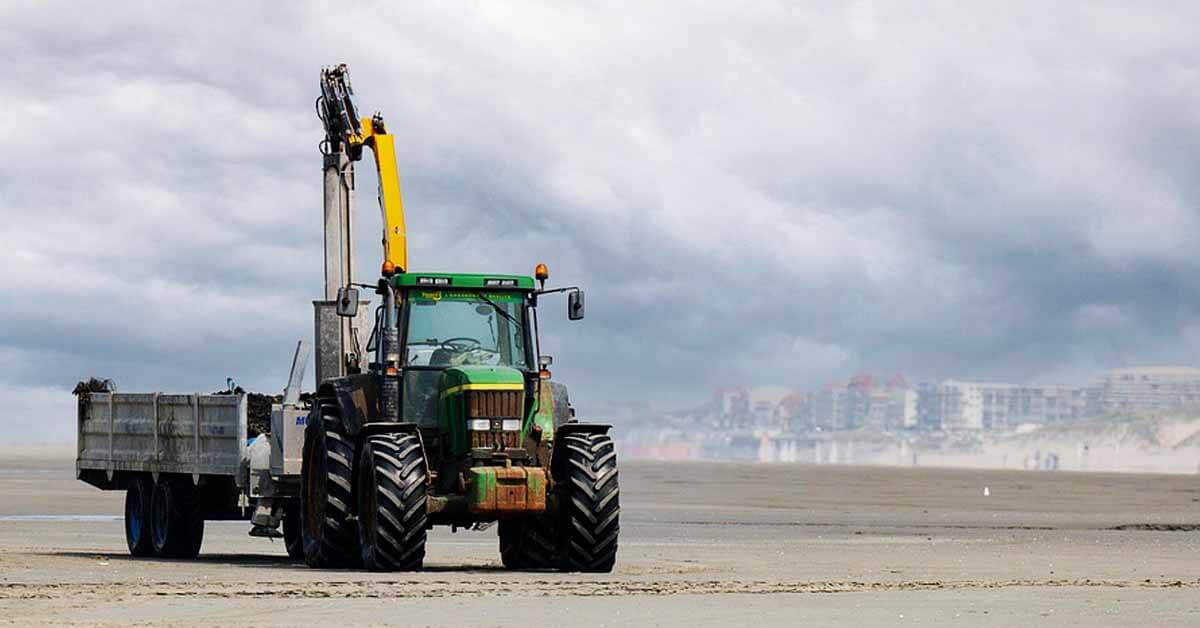
The John Deere 6850 is a self-propelled forage harvester that shares many components and troubleshooting steps with other 6650/6750/6950 models.
Overview
The John Deere 6850 is a large self-propelled forage harvester from the 6×50 series designed for high-capacity silaging operations.
It integrates a powerful engine, robust hydraulics, and a Can-Bus control system to optimize crop processing and ease of maintenance.
Typical users include commercial dairies, feedlots, and larger mixed farms that require efficient, high-volume forage harvesting.
John deere 6850 specs
-
Model family: 6050 series self-propelled forage harvester (6850 variant)
-
Drive: typically two-wheel drive (2WD) in earlier configurations; some units may feature all-wheel drive options depending on configuration
-
Platform compatibility: designed for chopping, cleaning, and conveying large-diameter silage crops
-
Typical dimensions and weight vary by year and configuration; consult the factory data plate or official manuals for exact numbers
-
Power class: high-torque, high-horsepower engine intended for continuous operation in field conditions
-
Transmission: powershaft-driven with hydraulic controls; some variants use a hydrostatic or powershift transmission depending on model year
Jd 6850 Key features
-
High-capacity chopping head mounting with quick-attach options
-
Advanced hydraulic system (Hy-Gard or equivalent) supporting heavy load handling
-
Integrated electronic controls via Can-Bus for engine, hydraulics, and header alignment
-
Large fuel and hydraulic fluid capacities to minimize refueling and maintenance downtime
-
Accessible service points and standard maintenance intervals outlined in dealer manuals
-
Operator comfort features such as cab visibility, climate control, and ergonomic controls
Engine details
-
Commonly uses a large displacement diesel engine designed for sustained forage processing
-
Emissions and fuel-system components aligned with the era’s Tier regulations
-
Common service intervals for fuel, oil, air, and coolant filters; the engine often shares platforms with other 6050-series harvesters
-
Aftertreatment or exhaust systems configured to meet applicable emission standards for the model year
Performance and usage
-
Designed for high-throughput silage cutting and processing
-
Performance depends on header width, field conditions, moisture content, and crop type
-
Suitable for large-scale operations where uptime and reliability are critical
-
Regular maintenance and proper calibration of headers, augers, and conveyors improve efficiency and reduce downtime
John Deere 6850 Price
-
Prices vary by year, condition (new/used), equipment package, and geography
-
For used units, pricing ranges broadly based on hours, maintenance history, and included attachments
-
Obtain quotes from dealers or agricultural equipment marketplaces to reflect local market conditions
John Deere 6850 Manuals
-
Official operator, parts, and service manuals exist for the 6050-series Harvester family, including the the John Deere 6850
-
Manuals cover operating instructions, maintenance schedules, wiring diagrams, and hydraulic system details
-
Quick-reference guides are often available for field checks and routine maintenance
Maintenance schedule
-
Follow the manufacturer’s recommended interval for engine oil and filter changes, hydraulic oil and filter changes, air filter replacement, fuel filter service, and coolant checks
-
Daily checks: cab comfort settings, header alignment, belt/tension checks, fluid leaks, and tire condition
-
Weekly to monthly checks: coolant level, hydraulic fluid level, battery condition, and grease points
-
Seasonal/annual service: full inspection of the cooling system, transmission, final drives, and hydraulic pumps; replace filters and inspect electrical harnesses
John Deere 6850 Attachments
-
Common attachments include wide or narrow header configurations, stubble discs, chopper heads, and feeding systems
-
Optional components for different crops and field conditions may include sieve kits, discharge chutes, and cleaning conveyors
-
Ensure compatibility with the 6050-series platform; verify mounting points and hydraulic connections with the dealer
John Deere 6850 Common problems
-
Header or knife and knife drive wear requiring inspection and replacement
-
Hydraulic leaks or reduced pressure due to worn seals or hoses
-
Electrical control warnings or CAN-bus communication faults requiring diagnostic checks
-
Cooling system overheating in high-load conditions or dusty environments
-
Regular maintenance and timely replacement of wear items minimize downtime
Troubleshooting essentials for a John Deere 6850
-
Start with a safety-first diagnostic approach
-
Shut down the engine, remove the ignition key, and depressurize hydraulic and electrical systems before inspecting any moving parts.
-
Check for obvious signs of wear or damage: belt frays, cracked guards, worn bearings, missing safety decals, or damaged hoses. If anything looks out of spec, replace or service per the manual. Troubleshooting steps in the official documentation emphasize inspecting the harvesting unit, feed rolls, and drive belts first.
-
-
Drive belt and mechanical drive checks
-
Lower drive belt: inspect pretension, wear, and tensioner function; replace belts if glazing, cracking, or fraying is evident. A slipping or worn lower belt is a frequent cause of reduced power and plugging issues.
-
Check belt tensions across the main and band drives; improper tension can cause slipping, excess vibration, or belt failure. Replace if tension springs or belts show wear.
-
-
Harvesting and feed system inspection
-
Harvesting unit and reverser switch: confirm correct operation, especially the forward/reverse functionality; ensure wiring and switches are clean and free of corrosion. Faulty reverser wiring or switches can prevent proper operation and cause jams.
-
Feed roll lock switch: verify the lock/unlock state and wiring; a stuck or mis-set lock can prevent feeding and cause blockages.
-
Roll bearings and wear: worn or seized feed rolls or rollers can cause plugging and uneven feeding; inspect for play, noise, or heat and replace bearings as needed.
-
-
Knife/spiral band and chassis alignment
-
Knife sharpening and spacing: improperly sharpened or misaligned knives can cause poor chopping and plug issues; ensure knife gap and spiral band alignment are within spec. If knives were recently sharpened, verify the auto-sharpener status and unlock procedures for reverse operation.
-
Check the spiral band, pan under the knives, and the five-bolt pattern housings for wear and proper alignment to direct crop flow. Misalignment can lead to plugging or uneven chopping.
-
-
Diagnostics and service codes
-
The service manuals for the 6650/6750/6850/6950 Self-Propelled Forage Harvesters include a code list (e.g., throttle/analog input issues) that map to probable causes such as sensor circuit faults or wiring problems. If a diagnostic code appears, follow the code’s recommended checks step-by-step.
-
-
Common failure points to inspect
-
Back-end components: blower, discharge chute, and blower belt wear; belt slipping can cause reduced airflow and plugging.
-
Safety-related components: ensure safety signs are intact and replacement components are up to date.
-
Metal detector or other optional sensors: if a halt or false trip occurs, inspect wiring and sensor alignment for misreads.
-
Conclusion
The John Deere 6850 represents a high-capacity option within the 6050-series forage harvesters, balancing power, reliability, and serviceability for large-scale silage operations.
With proper maintenance, appropriate attachments, and adherence to the recommended operating practices, the John Deere 6850 delivers consistent performance in demanding field conditions.




Leave A Comment