
Overview
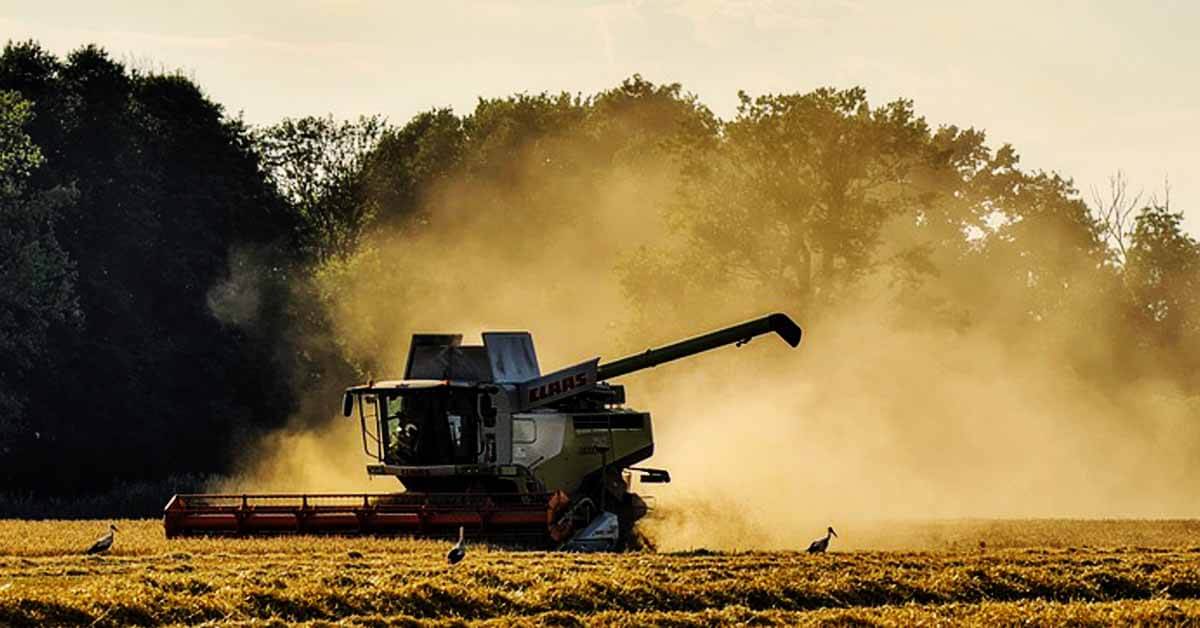
The John Deere S760 is a powerful combine harvester designed to deliver high-capacity harvesting performance, especially suited for corn, beans, and coarse grain crops.
Part of the S-Series combines, the John Deere S760 brings advanced technology, robust engineering, and operator comfort to optimize productivity during harvest seasons.
John Deere S760 Specs
-
Engine Type: John Deere PowerTech™ PSS 9.0 L (548 cu in.) diesel engine
-
Rated Power: 249 kW (333 hp) at 2,200 rpm, with a power boost of 25 kW (34 hp)
-
Fuel Capacity: 950 L (250 gallons)
-
Grain Tank Size: 10,600 L (300 bushels)
-
Unloading Rate: 116.3 L/s (3.3 bushels/sec)
-
Rotor Length: 312 cm (123 in)
-
Rotor Diameter: 76.2 cm (30 in)
-
Total Cleaning Area: 5.1 m² (54.9 sq ft)
-
Separator Type: Rotary with TriStream™ rotor technology
-
Dimensions (approximate): Length – 67.9 in (172.5 cm) feeding width for conveyor chain; overall machine weight around 18,400 kg (40,565 lb)
John Deere S760 Engine Details
The heart of the John Deere S760 is the John Deere PowerTech PSS 9.0 L diesel engine, engineered to meet Final Tier 4 emission standards.
This turbocharged engine with air-air aftercooler provides reliable power delivery with electronically controlled fuel injection, ensuring fuel efficiency and reduced emissions.
The engine includes features such as a high-capacity air cleaner, centrifugal pre-cleaner, and a robust cooling system that includes a wide-spaced tube radiator.
Weight and Dimensions
-
Weight: Approximately 18,400 kg (40,565 lbs) base machine without header
-
Length: Variable depending on headers used; feeding chain width is about 172.5 cm (67.9 in)
-
Width and Height vary with attachments but the design supports stability and maneuverability in the field
John Deere S760 Price
-
The John Deere S760 combine harvester typically ranges from approximately $350,000 to $450,000 USD, depending on options, dealer pricing, and configurations.
-
Prices vary due to added features such as premium cab packages, sensors, GPS and automation options.
Common Problems
-
Some users report issues with electronic controls or sensor calibration needing periodic recalibration.
-
Maintenance of the rotary separator and rotor components is crucial; worn parts may impact threshing and separation efficiency.
-
Grain tank cleaning and unloading system require regular inspection to avoid clogging or reduced unloading rates.
-
Engine and hydraulic systems performance depends heavily on routine maintenance and proper fluid management.
-
Occasionally, users have reported software glitches in advanced automation features, usually resolved by firmware updates from John Deere.
Maintenance Tips and Troubleshooting for John Deere S760
Maintenance Tips:
– Regularly inspect and replace worn rotor and separator components to maintain threshing and cleaning efficiency.
– Clean the grain tank and unloading system frequently to prevent clogging and ensure smooth grain flow during unloading.
– Monitor engine oil, hydraulic fluids, and coolant levels daily; replace fluids and filters as per the manufacturer’s service intervals.
– Keep air intake filters clean and free from dust and debris for optimal engine performance.
– Grease all lubrication points regularly to reduce wear on moving parts.
– Check belts, chains, and conveyors for proper tension and wear; replace as needed.
– Inspect and calibrate electronic sensors, GPS, and automation controls periodically to ensure accurate operation.
– Ensure tires or tracks are in good condition and properly inflated for safe maneuvering and to avoid soil compaction.
Troubleshooting Common Faults:
– If the combine experiences reduced threshing or seed damage, check rotor clearance and wear on threshing components; adjust or replace parts if needed.
– For grain tank unloading issues, inspect for obstructions in the unloading auger and grain elevator; clear blockages and test system functionality.
– Engine performance dips or irregularities may indicate clogged air filters, fuel contamination, or sensor malfunctions; clean filters, replace fuel filters, and run diagnostics.
– Electronic or display errors may often be resolved by rebooting the system or applying the latest firmware updates available through John Deere’s service portal.
– Hydraulic system issues such as slow or erratic implement movement often result from low fluid levels or air in the system; check fluid reservoir, top off, and bleed air if necessary.
– Persistent vibration or noise during operation may stem from loose or damaged components; inspect drive belts, pulleys, and bearings for integrity.
Following these maintenance and troubleshooting recommendations will help ensure the John Deere S760 operates efficiently and reliably throughout the harvest season, minimizing downtime and repair costs.
Conclusion
In summary, the John Deere S760 combine harvester is a highly capable machine preferred by large-scale farmers and contractors for its powerful engine, efficient rotor system, large grain tank capacity, and operator-friendly features.
While investment and maintenance costs are significant, the productivity gains from this combine make it a staple in modern agriculture.





Leave A Comment