
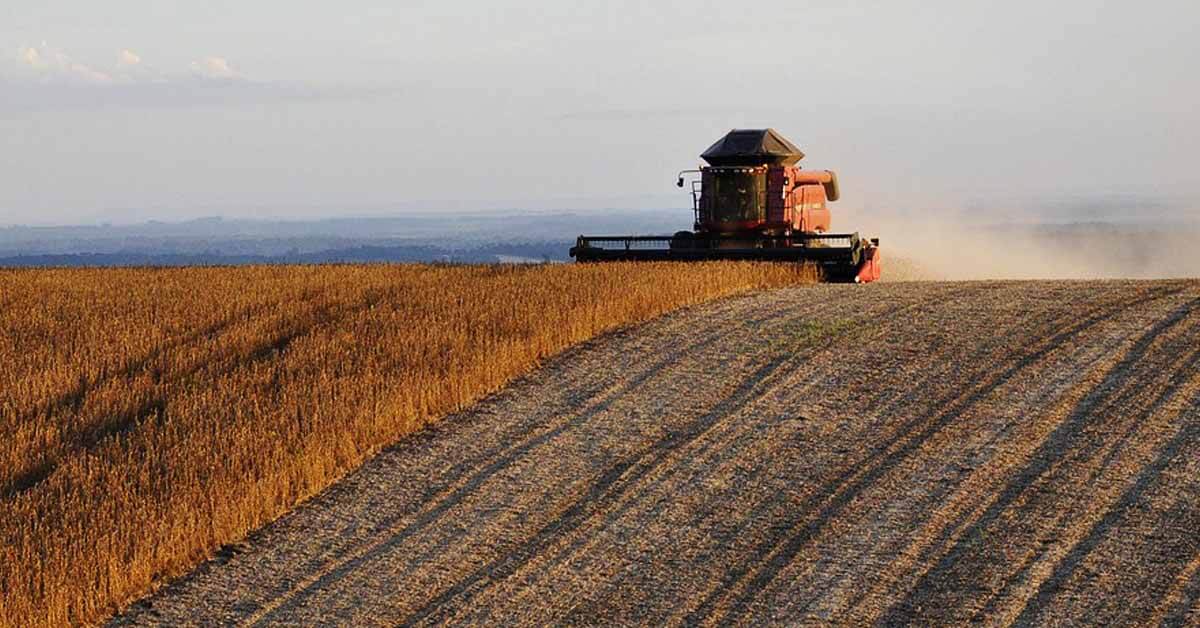
The John Deere 8500 sits in Deere’s 8000-series lineage and emphasizes strong power delivery, a robust header interface, and operator-focused cab design.
Overview
The John Deere 8500 is a high-capacity self-propelled forage harvester designed for demanding silage and forage operations.
It features a purpose-built cab, integrated crop handling pathways, and a modern drivetrain intended to maximize uptime, harvest quality, and operator comfort.
The machine emphasizes efficient crop flow, simplified servicing, and advanced header and control systems that help optimize throughput in variable field conditions.
The John Deere 8500 sits within Deere’s 8000-series lineage, inheriting refined ergonomics, robust hydraulics, and modular design elements that facilitate routine maintenance and quick part replacement in the field.
This makes the John Deere 8500 suitable for commercial dairy, beef, and large-scale forage operations where consistent bale or pit quality is essential.
Specifications (typical baseline)
-
Engine: 585 hp FT4 John Deere diesel engine (emissions-compliant).
-
Transmission: ProDrive or equivalent ground-drive system for smooth, controlled propulsion and precise speed control.
-
Header compatibility: Designed for a range of corn heads, pickers, and feeding headers with automatic header detection and quick-coupling mechanisms.
-
Crop handling: Integrated crop flow path designed to minimize abrupt changes and maximize throughput; advanced header guidance and feeler systems for precise positioning.
-
Cab and controls: Best-in-class operator environment with intuitive displays, ergonomic controls, and accessible service points.
-
Lift and attachments: Integrated KP hoist option (where applicable) for improved header handling and serviceability.
-
Fuel capacity and hydraulics: Generous fuel and hydraulic oil capacities to support long running shifts; standard hydraulic systems for feedrolls, header drive, and drivetrain functions.
-
Diagnostics: Modern telematics and display suites for real-time monitoring and diagnostics.
John Deere 8500 Key Features
-
All-new design with improved serviceability: Streamlined panels, ground-level fuel fills, and centralized maintenance points to reduce downtime.
-
Header handling and attachment: Easy header hookup with rapid-locking mechanisms and efficient hydraulic connections; optional dual-header drive configurations for variable crops and ground conditions.
-
Integrated guidance and automation: Advanced display systems (with harvest-specific software) and compatibility with guidance networks to improve crop placement and harvest efficiency.
-
Crop flow optimization: A carefully designed crop path minimizes turning radii and flow disruptions, helping maintain steady throughput even with variable crop density.
-
ProDrive propulsion (where equipped): High-traction ground-drive propulsion for stable field performance, especially on uneven or soft soils.
-
Cab ergonomics: A comfortable, low-fatigue cabin with excellent visibility and straightforward operator controls for long shift operations.
-
Durability and serviceability: Heavy-duty components with modular replacements and accessible service intervals to maximize uptime.
John Deere 8500 Engine Details
-
Engine type: John Deere 6-cylinder turbocharged diesel (FT4 emission standard) delivering around 585 hp (variable with model year and configuration).
-
Fuel system: High-capacity fuel system designed for extended operation between fill-ups; dual-stage filtration and easy access to filters for maintenance.
-
Cooling: Robust cooling package designed to maintain performance under high-load harvest conditions.
-
Emissions and additives: Follows current FT4/Stage IV equivalents; fuel and exhaust treatment systems designed for reliable operation in diverse climates.
-
Maintenance: Daily checks include coolant level, oil level, and air filter condition; periodic service intervals for oil, filters, and turbo components.
Performance and Usage
-
Throughput: Engine and drivetrain tuned for high-field productivity with steady torque across a range of crop densities.
-
Crop handling: Optimized intake geometry and feed rollers to reduce crop jamming and maximize chamber utilization.
-
Power management: Harvesting power balanced with header load to maintain consistent rotor speed and cutting quality.
-
Operator workflow: Simple header attachment/detachment, straightforward calibration workflows, and clear on-board diagnostics to minimize downtime.
John Deere 8500 Forage Harvester Price
New equipment prices vary by region, dealer, options, and current incentives.
Typical discussions of a high-end John Deere 8500 would place it at a premium tier within forage harvesters, reflecting engine power, cab comfort, and maintenance features.
Consult local Deere dealers or official regional catalogs for precise MSRPs, available financing, and any trade-in programs.
Parts and Maintenance
-
Common replacement parts: filters, lubricants, hydraulic hoses, belts, drive components, and critical wear parts for feed rolls and header gearboxes.
-
Serviceability: Modern John Deere 8500 designs emphasize ground-level accessibility, modular components, and clearly labeled service points to speed maintenance.
-
Replacement parts availability: Deere-authorized distributors and regional dealers stock genuine parts designed for compatibility and long service life.
-
Owner/operator manuals: Comprehensive manuals cover maintenance schedules, troubleshooting, and safety procedures.
Attachments and Options
-
Headers: Compatible corn heads, forage headers, and pickup heads with automatic alignment and locking systems.
-
Hoists and lifting: KP hoist or equivalent ground-level header handling options for easier attachment and maintenance.
-
Drive configurations: ProDrive or similar propulsion options to optimize traction and driveline efficiency in varying field conditions.
-
Guidance and automation: Optional StarFire receiver, JDLink modem, and HarvestLab or equivalent crop analysis modules for enhanced documentation and precision harvest.
John Deere 8500 Manuals and Documentation
-
Operators manual: Safety guidelines, daily startup/shut-down procedures, calibration steps, and maintenance schedules.
-
Parts manual: Detailed assembly diagrams, part numbers, and replacement guidance.
-
Service/warning manuals: Troubleshooting flowcharts, diagnostic codes, and repair instructions for major subsystems.
Common Problems and Troubleshooting
-
Header alignment or attachment issues: Verify locking mechanisms and hydraulic connections; recalibrate automatic header detection if equipped.
-
Crop flow jams: Inspect feed rolls, choppers, and downstream chutes; ensure proper knife and blade conditions and spacing.
-
Hydraulics or transmission: Check hydraulic fluid levels, hoses, leaks; verify transmission oil and filter conditions; consult service codes for faults.
-
Electrical/telemetry: Confirm display calibration, module connectivity, and data links; reset or reinitialize modules if diagnostics indicate communication errors.
-
Cooling or engine: Monitor coolant levels, radiator cleanliness, and air intake restrictions; service air filters regularly to prevent overheating.
Usage Best Practices
-
Pre-season checks: Inspect belts, filters, fluid levels, and header connections; confirm software/firmware is up to date.
-
Field setup: Calibrate header height, ground speed, and rotor speeds to crop type; enable automatic headers and guidance features when appropriate.
-
Harvesting strategy: Optimize header width and cut settings for target crop density; adjust exhaust and shroud configurations to minimize leaf loss and fines.
-
Post-harvest: Clean and inspect feed rolls and gearboxes; service maintenance items promptly to prevent wear accumulation.
Conclusion
The John Deere 8500 Self-Propelled Forage Harvester represents a high-end solution for large-scale forage production, combining robust power, thoughtful design for serviceability, and advanced header and crop-handling technology.
When properly configured and maintained, it delivers reliable daily throughput, comfortable operator experience, and strong support through Deere’s parts and service network.
Regional dealer guidance will provide current pricing, optional equipment packages, and the latest software capabilities to maximize return on investment.





Leave A Comment